
Visual Design + Branding
Gain practical foundations in responsive web design, from layouts and visual hierarchy to branding, color, type and so much more.


Taught by
Milan Moffatt and Kristen Altomare-Ciallella
Get access to Visual Design + Branding
- Practical, go-at-your-own pace learning, with help from our industry experts and experienced teachers
- Projects and code that you can alter and include in your own sites and portfolio
- Resources to get you started and going post-course
Your instructors

Milan Moffatt

Kristen Altomare-Ciallella
Course structure
Lesson 01
Welcome
Lesson 02
Week 1 Project Introduction
Lesson 03
Design History Overview
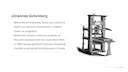
Lesson 04
The Printing Revolution
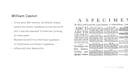
Lesson 05
Typographic Milestones
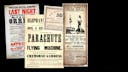
Lesson 06
The Industrial Revolution
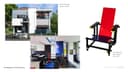
Lesson 07
The Modernist Era
Lesson 08
20th Century Design
Lesson 09
The Digital Revolution and Beyond
Lesson 10
Design Elements: Line
Lesson 11
Design Elements: Shape
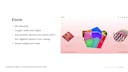
Lesson 12
Design Elements: Form
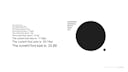
Lesson 13
Design Elements: Size
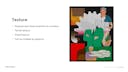
Lesson 14
Design Elements: Texture
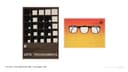
Lesson 15
Design Elements: Value
Lesson 16
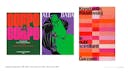
Design Elements: Color
Lesson 17
Design Elements: Typography
Lesson 18
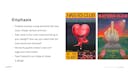
Design Principles: Emphasis
Lesson 19
Design Principles: Proximity
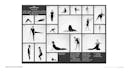
Lesson 20
Design Principles: Balance
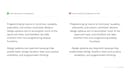
Lesson 21
Design Principles: Alignment
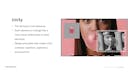
Lesson 22
Design Principles: Unity

Lesson 23
Design Principles: Space
Lesson 24
Design Principles: Repetition
Lesson 25
Design Principles: Framing
Lesson 26
Week 1 Project
Homework 01
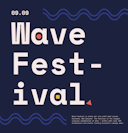
Wave Festival
Lesson 01
Week 2 Overview and Project
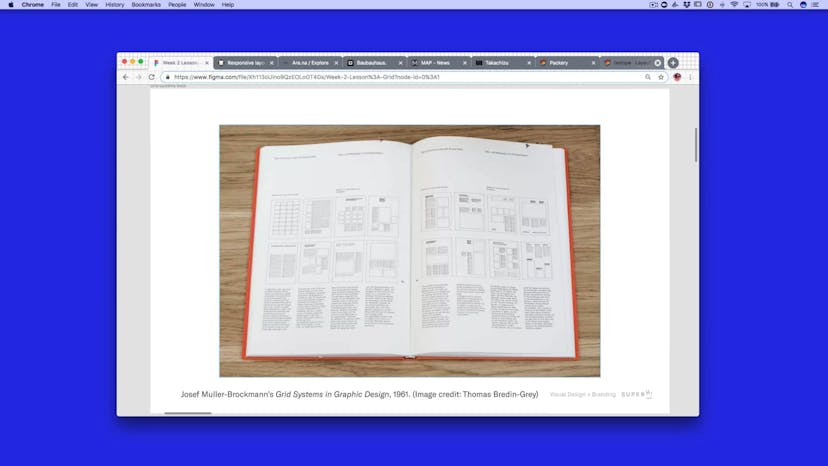
Lesson 02
Introduction to Grids
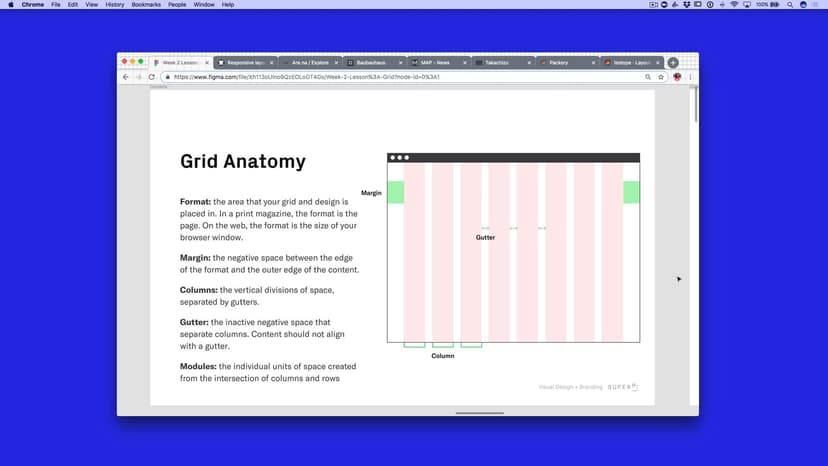
Lesson 03
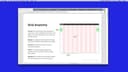
Grid Anatomy
Lesson 04
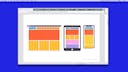
Types of Grids
Lesson 05
Layout Grids
Lesson 06
Exercise: Designing grids in Figma
Lesson 07
Common Layouts – Portfolio
Lesson 08
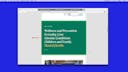
Common Layouts – Marketing Site 1
Lesson 09
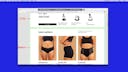
Common Layouts – Marketing Site 2
Lesson 10
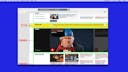
Common Layouts – Marketing Site 3
Lesson 11
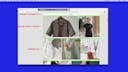
Common Layouts – News
Lesson 12
Common Layouts – Store
Lesson 13
Common Layouts – Blog
Lesson 14
Introduction to Visual Hierarchy
Lesson 15
Type Hierarchy – Examples
Lesson 16
Type Hierarchy – Tips
Lesson 17
Exercise: Building a type scale
Lesson 18
Color + Contrast
Lesson 19
Exercise: Building a grayscale color palette

Lesson 20
Proximity + Whitespace

Lesson 21
Fontanello + Chrome DevTools Inspector
Lesson 22
Exercise: Redesign Mimi's Kitchen website

Lesson 23
Exercise: Quick overview of final design
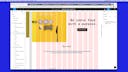
Lesson 24
Exercise: Navigation and hero section
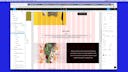
Lesson 25
Exercise: Welcome section
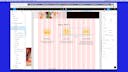
Lesson 26
Exercise: About Mimi's section
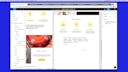
Lesson 27
Exercise: Quote section
Lesson 28
Exercise: Catering section
Lesson 29
Exercise: Final sections
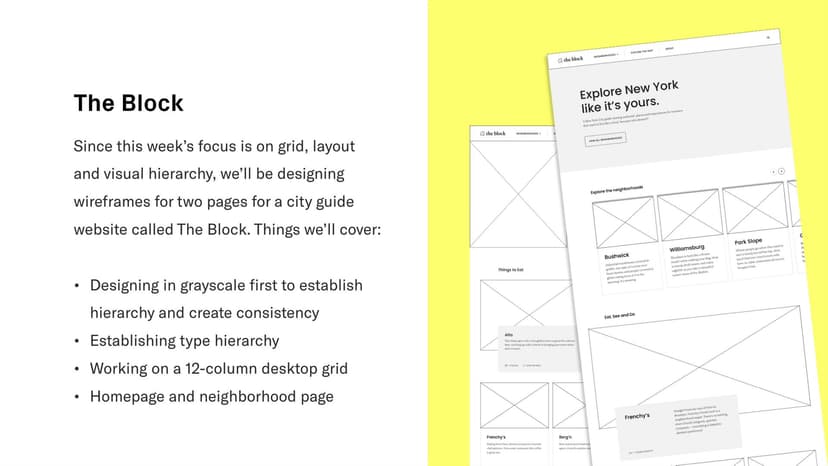
Lesson 30
Week 2 Project: Introduction and Navigation
Lesson 31
Week 2 Project: Hero
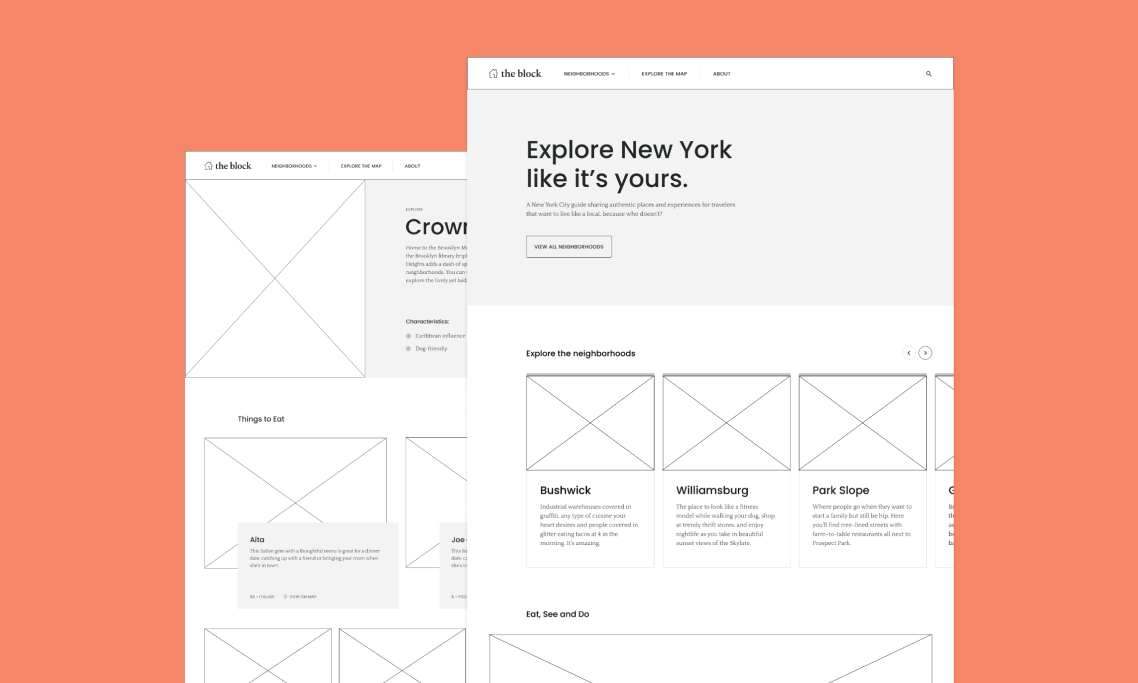
Lesson 32
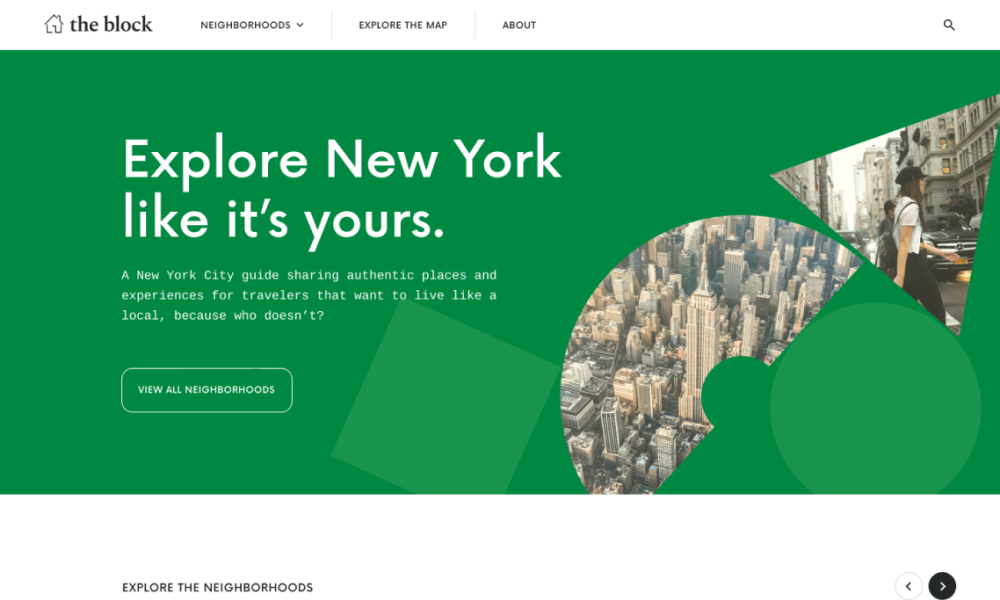
Week 2 Project: Explore Neighborhoods
Lesson 33
Week 2 Project: Eat, See and Do
Lesson 34
Week 2 Project: Blog
Lesson 35
Week 2 Project: New on The Block
Lesson 36
Week 2 Project: Newsletter
Lesson 37
Week 2 Project: Footer
Lesson 38
Week 2 Project: Neighborhood page
Homework 01
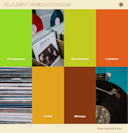
Daisy Records

Lesson 01
Week 3 Overview and Project

Lesson 02
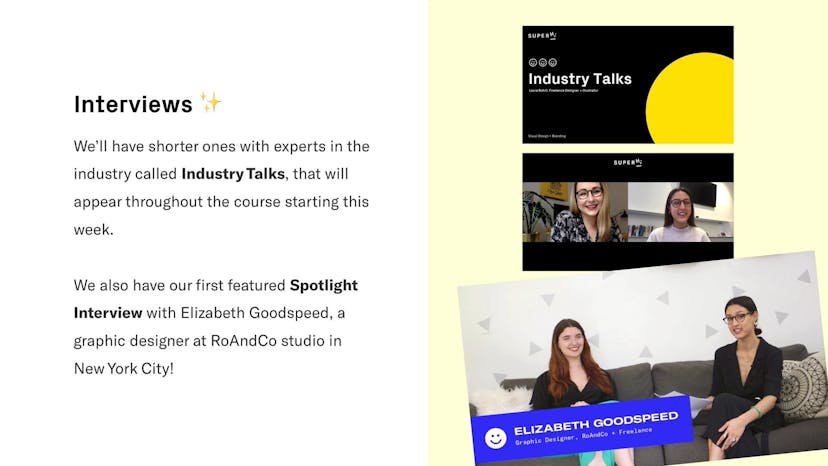
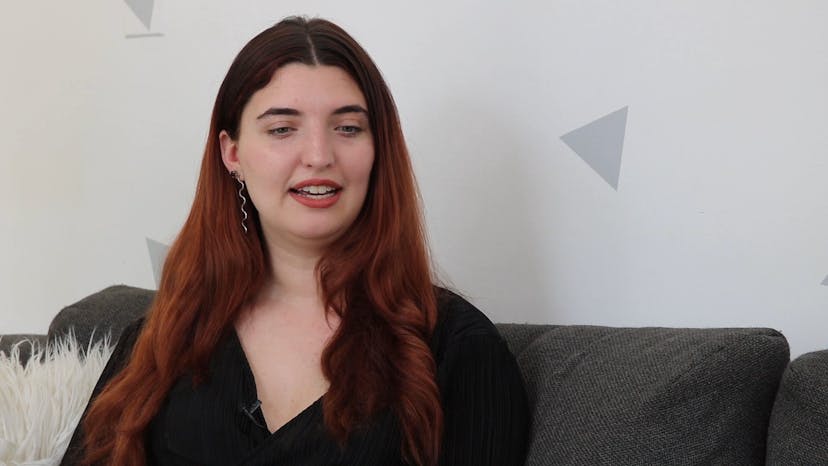
Designer Spotlight — Elizabeth Goodspeed
Lesson 03
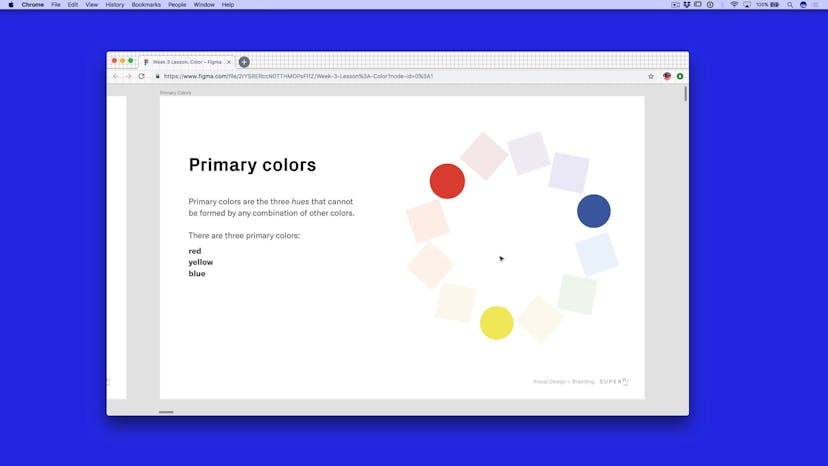
Introduction to Color
Lesson 04
Color Relationships
Lesson 05
CMYK vs. RGB
Lesson 06
Color Interactions
Lesson 07
Color, Brands and Emotions — Part 1
Lesson 08
Color, Brands and Emotions — Part 2
Lesson 09
Tips for Creating Color Palettes
Lesson 10
Exercise: Checking your wireframe's contrast
Lesson 11
Exercise: Eyedropping photography
Lesson 12
Exercise: Create a complementary palette
Lesson 13
Exercise: Create an analogous palette
Lesson 14
Exercise: Create a monochromatic palette
Lesson 15
Exercise: Try it on two more photos
Lesson 16
Exercise: Review + share color palettes!
Lesson 17
Color Inspiration
Lesson 18
Quick Look: SuperHi Color Guide

Lesson 19
Industry Talks — Laura Bohill
Lesson 20
Typography Introduction + Anatomy
Lesson 21
Serif: Old Style
Lesson 22
Serif: Transitional
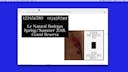
Lesson 23
Serif: Modern
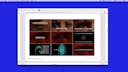
Lesson 24
Serif: Slab
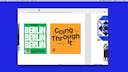
Lesson 25
Sans Serif: Humanist
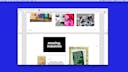
Lesson 26
Sans Serif: Geometric
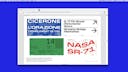
Lesson 27
Sans Serif: Transitional
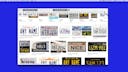
Lesson 28
Script Typefaces
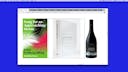
Lesson 29
Display Typefaces

Lesson 30
Pixel Typefaces
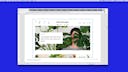
Lesson 31
Monospaced Typefaces

Lesson 32
How To Choose the Right Typeface
Lesson 33
Typefaces In Use: Case Studies
Lesson 34
Exercise: Choosing typefaces for families
Lesson 35
Exercise: Choosing typefaces for digital nomads
Lesson 36
Exercise: Choosing typography for foodies
Lesson 37
Exercise: Choosing typography for photographers
Lesson 38
Quick Look: SuperHi Typography Guide
Lesson 39
Introduction to Accessibility
Lesson 40
Exercise: Checking color contrast
Lesson 41
Quick Look: SuperHi Accessibility Guide

Lesson 42
Industry Talks — Tatiana Mac

Lesson 43
Week 3 Project Overview
Lesson 44
Adding Typography to The Block
Lesson 45
Adding Color to The Block
Lesson 46
Adding Photography: Hero
Lesson 47
Adding Photography: Homepage
Lesson 48
Adding Photography: Neighborhood
Lesson 49
Adding Icons to The Block
Homework 01
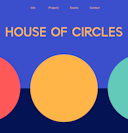
House of Circles

Lesson 01
Week 4 Overview + Project
Lesson 02
What is a Brand?
Lesson 03
The Branding Process

Lesson 04
Reviewing Brand Identity: Google
Lesson 05
What Makes Brands Successful?
Lesson 06
Project 4 Overview + Brief
Lesson 07
Understanding the Problem
Lesson 08
Conducting Market Research

Lesson 09
Figuring Out Your Target Audience
Lesson 10
Brand Questionnaire

Lesson 11
Moodboarding
Lesson 12
Naming Your Brand + Designing Your Logo
Homework 01
Presta

Lesson 01
Week 5 Overview

Lesson 02
Industry Talks — Noemie Le Coz
Lesson 03
Visual Identity: Moodboard
Lesson 04
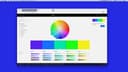
Visual Identity: Color Palette Exploration
Lesson 05
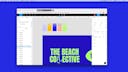
Choosing A Final Color Palette
Lesson 06
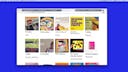
Visual Identity: Type Pairing 1
Lesson 07
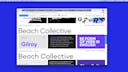
Visual Identity: Type Pairing 2
Lesson 08
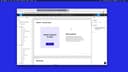
Visual Identity: Final Type Pairings
Lesson 09
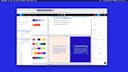
Visual Identity: Type Setting + Writing About Choices
Lesson 10
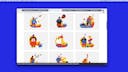
Visual Identity: Graphic Elements
Lesson 11
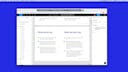
Visual Identity: Brand Voice
Lesson 12
What Are Brand Guidelines?
Lesson 13
Brand Guidelines Examples
Lesson 14
Brand Guidelines Overview
Lesson 15
Brand Guidelines: Title + Table of Contents
Lesson 16
Brand Guidelines: Moodboard + Introduction
Lesson 17
Brand Guidelines: Logo
Lesson 18
Brand Guidelines: Color
Lesson 19
Brand Guidelines: Typography
Lesson 20
Finishing Brand Guidelines

Lesson 21
Deron Millay Interview
Homework 01
Prickly Pear Rebrand
Lesson 01
Week 6 Overview
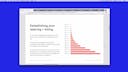
Lesson 02
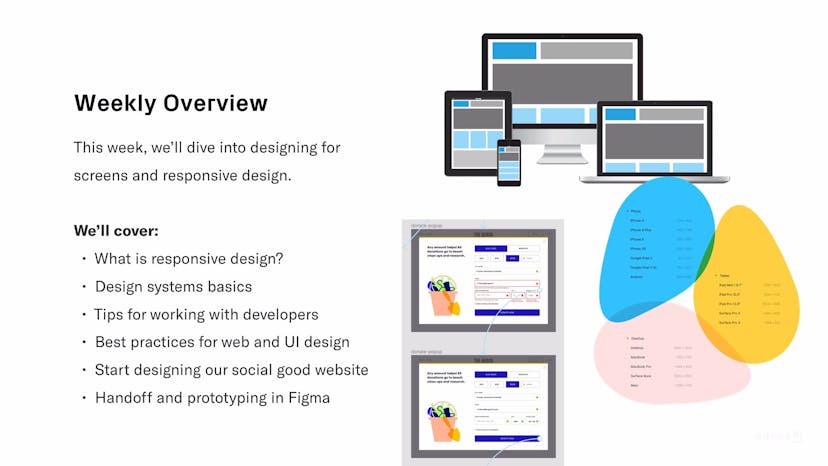
Introduction to Responsive Design
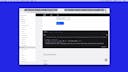
Lesson 03
Design Systems
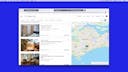
Lesson 04
Web Do's + Dont's

Lesson 05
Week 6 Project Introduction
Lesson 06
Navigation + Hero
Lesson 07
Hero Inspiration
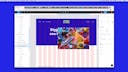
Lesson 08
Hero Layout Variations
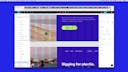
Lesson 09
Creating Animated GIFs for Hero Sections

Lesson 10
Final Hero Design
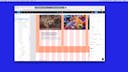
Lesson 11
Blog Section

Lesson 12
Blog Section Inspiration
Lesson 13
Optimizing Images for the Web
Lesson 14
Fun Fact Section
Lesson 15
Donation Cards
Lesson 16
Get Involved Section
Lesson 17
Logo Garden

Lesson 18
Finishing Homepage Design
Lesson 19
Donation Popup Part 1
Lesson 20
Donation Popup Part 2
Lesson 21
Finishing Donation Popup Flow
Lesson 22
Prototyping in Figma

Lesson 23
Industry Talks: Victoria Jung
Homework 01
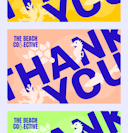
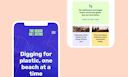
Donation Flow + E-card Design
Lesson 01
Week 7 Introduction
Lesson 02
Designing with Code Introduction
Lesson 03
What is a website, anyway?
Lesson 04
Content and Style in Figma
Lesson 05
HTML + CSS
Lesson 06
Adding Links
Lesson 07
Grouping Tags
Lesson 08
Intro to CSS Grid
Lesson 09
Intro to Flexbox
Lesson 10
Fixed Positioning
Lesson 11
Hover States
Lesson 12
Responsive Design + Media Queries
Lesson 13
SEO + Accessibility Basics
Lesson 14
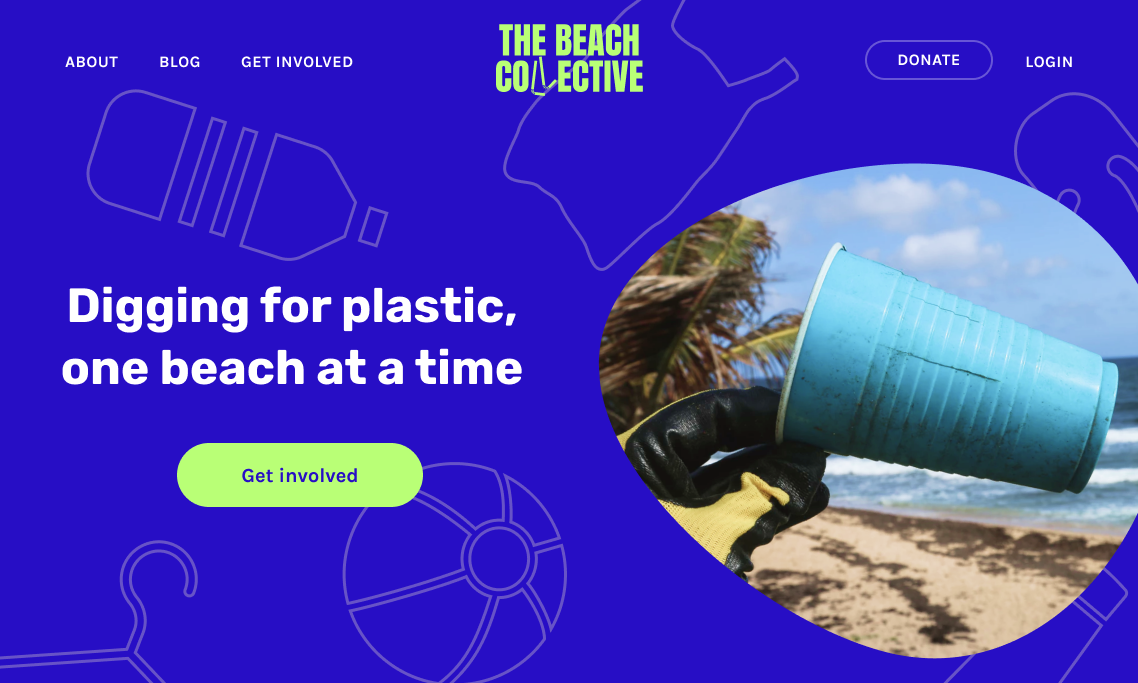
Developer Review: The Beach Collective
Lesson 15
Mobile Best Practices: Interactions
Lesson 16
Mobile Best Practices: Adapting Your Content
Lesson 17
Mobile Best Practices: Images
Lesson 18
Mobile Best Practices: Typography
Lesson 19
Mobile Best Practices: Navigation

Lesson 20
Project: Mobile Grid + Getting Started with Figma Mirror
Lesson 21
Project: Mobile Navigation
Lesson 22
Project: Mobile Hero + Sticky Nav
Lesson 23
Project: Setting up Mobile Type Scale
Lesson 24
Project: About Section
Lesson 25
Project: Blog + Designing Lists for Mobile
Lesson 26
Project: Quote
Lesson 27
Project: Donate + Designing Mobile Carousels
Lesson 28
Project: Get Involved + Designing Mobile Grids
Lesson 29
Project: Mobile Logo Garden
Lesson 30
Project: Finishing Mobile Homepage
Lesson 31
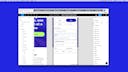
Project: Donation Screen + Mobile Form UI
Lesson 32
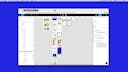
Finishing Up with a Mobile Prototype

Lesson 33
Designer Spotlight — Carolyn Zhang
Homework 01
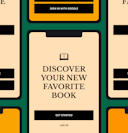
Designing a mobile onboarding flow
Lesson 01
Week 8 Intro
Lesson 02
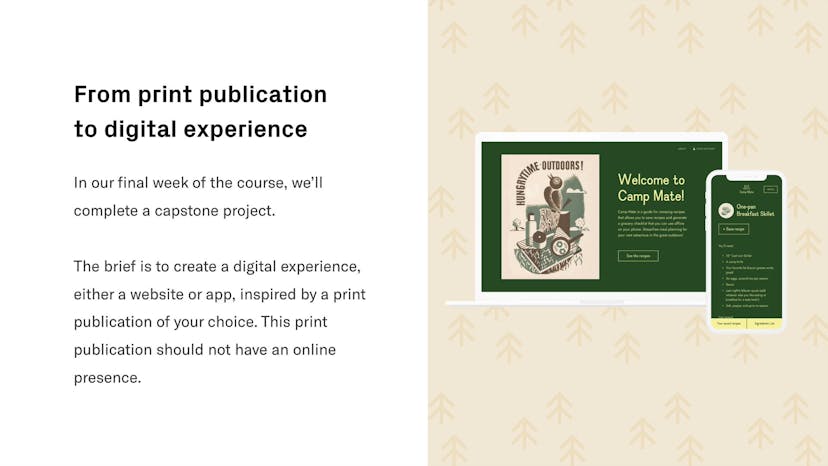
Capstone Brief
Lesson 03
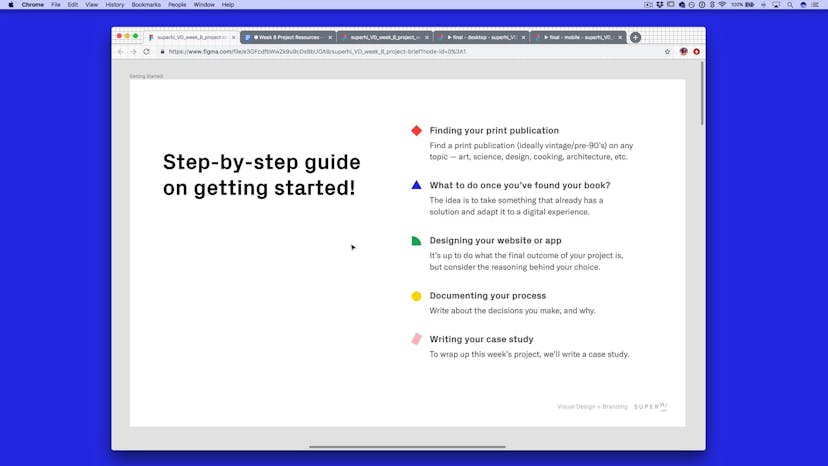
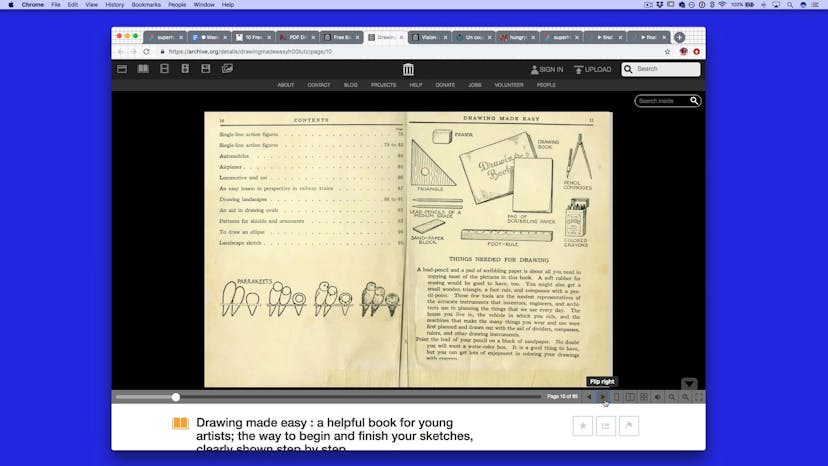
Step 1 — Finding your book
Lesson 04
Step 2 — Determining your project
Lesson 05
Project Ideas
Lesson 06
Step 3 — Designing your project
Lesson 07
Step 4 — Documenting your process
Lesson 08
Step 5 — Writing your case study
Lesson 09
Our Project: Picking our book
Lesson 10
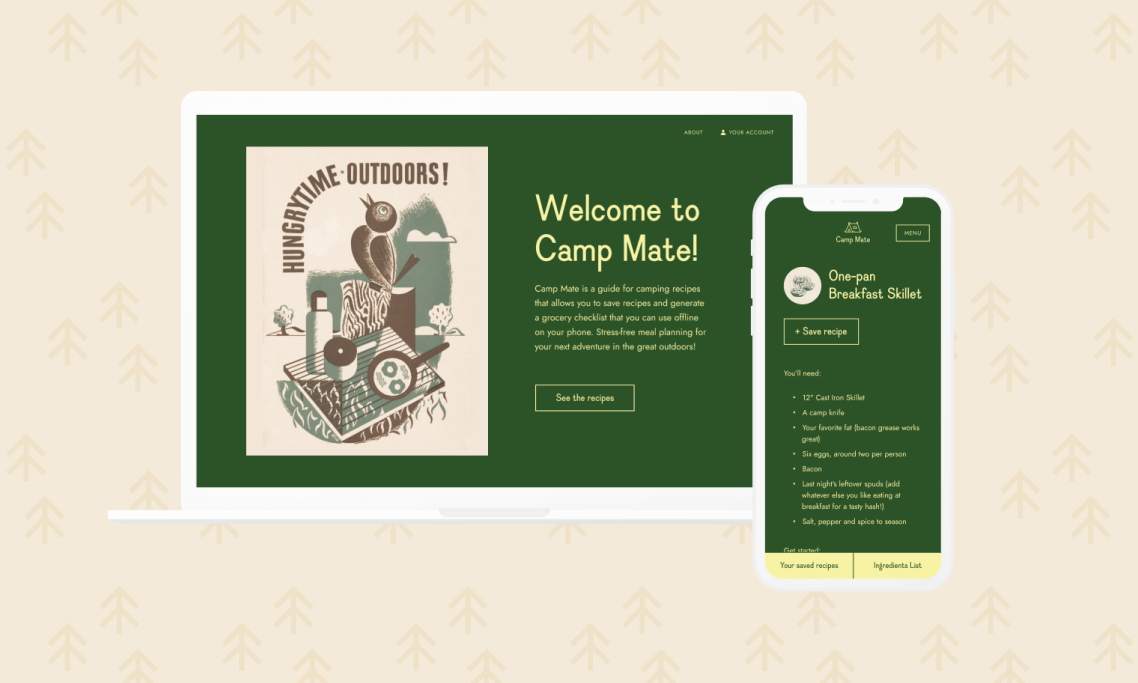
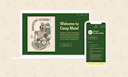
Our Project: Designing Camp Mate
Lesson 11
Camp Mate Prototype
Lesson 12
Our Project: Camp Mate case study
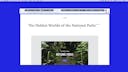
Lesson 13
Case Study Examples

Lesson 14
What's Next?
SuperHi students work at the best
Our students are based all over the world and work at creative companies large and small. Why not check out some of their work?
View student workFeeling stuck?
Don’t worry, we are here to help you with:
- Speedy help from one of our team members
- Detailed, relevant solutions
- Direct access to peer support through Discord!
Remember, there’s no such thing as a silly question, so don’t hesitate to reach out, we love hearing from you!